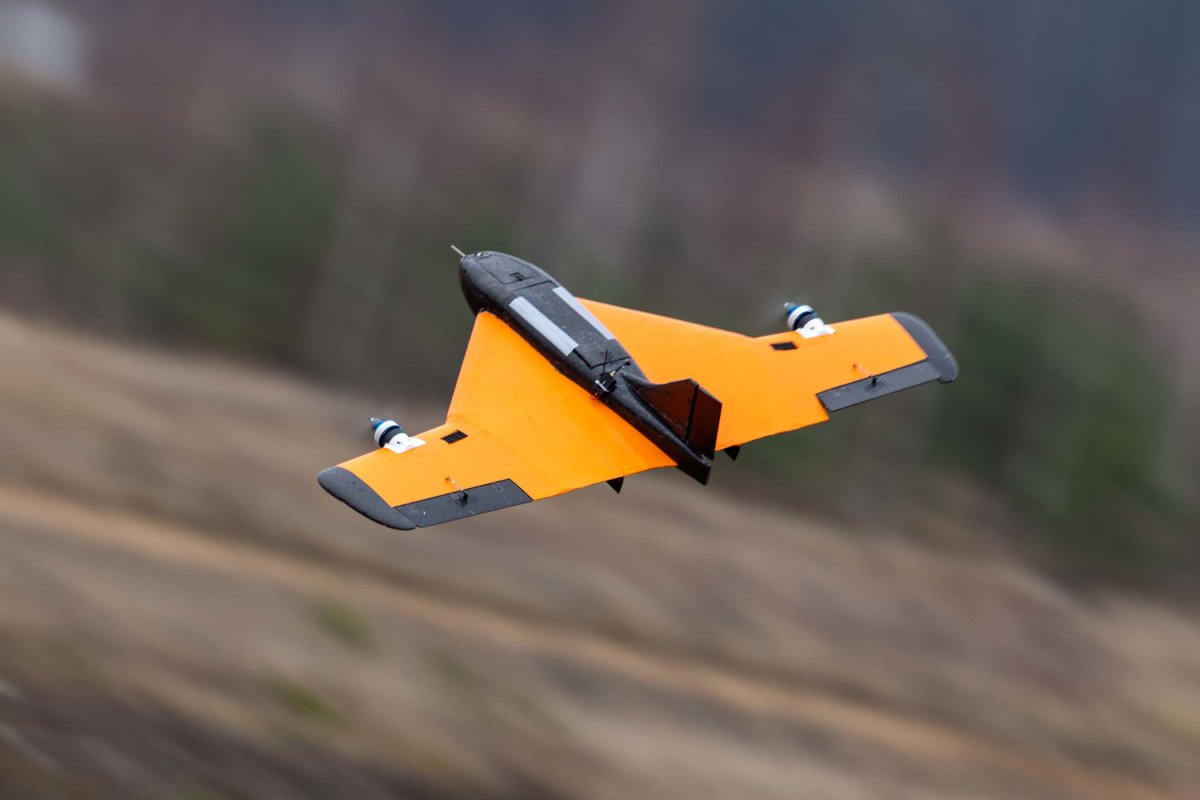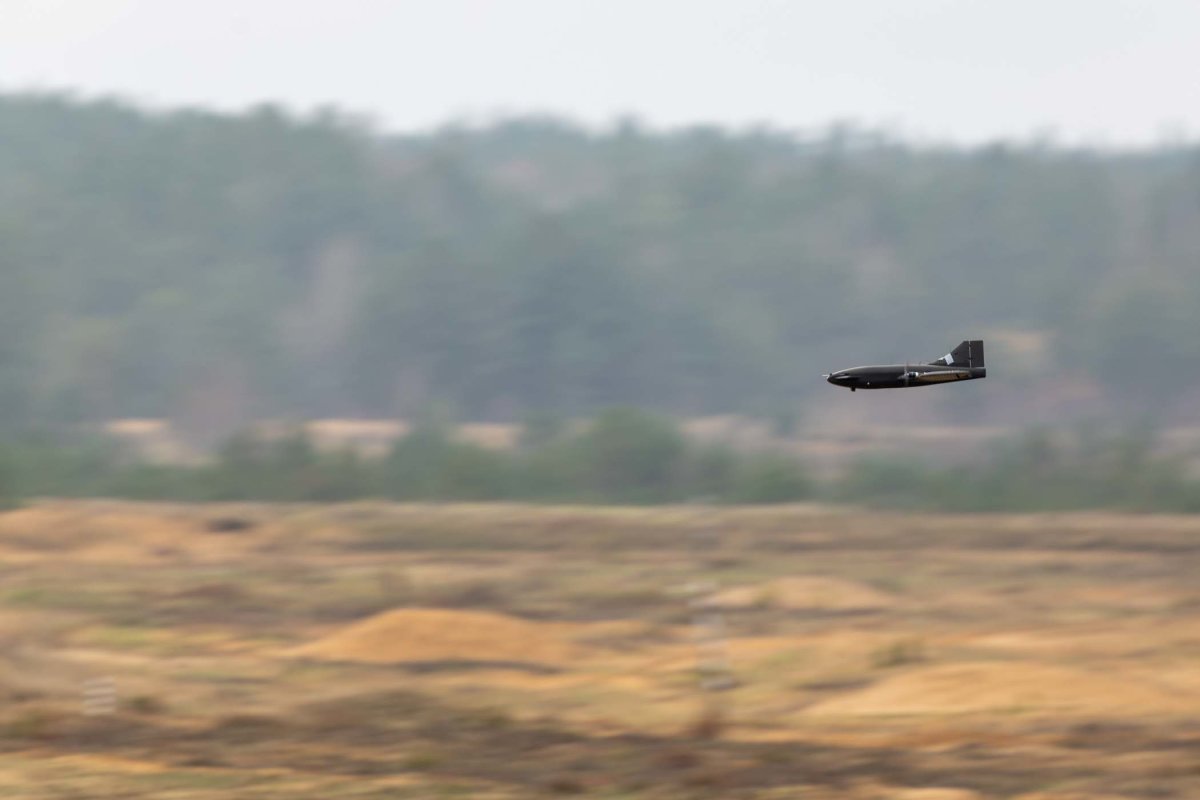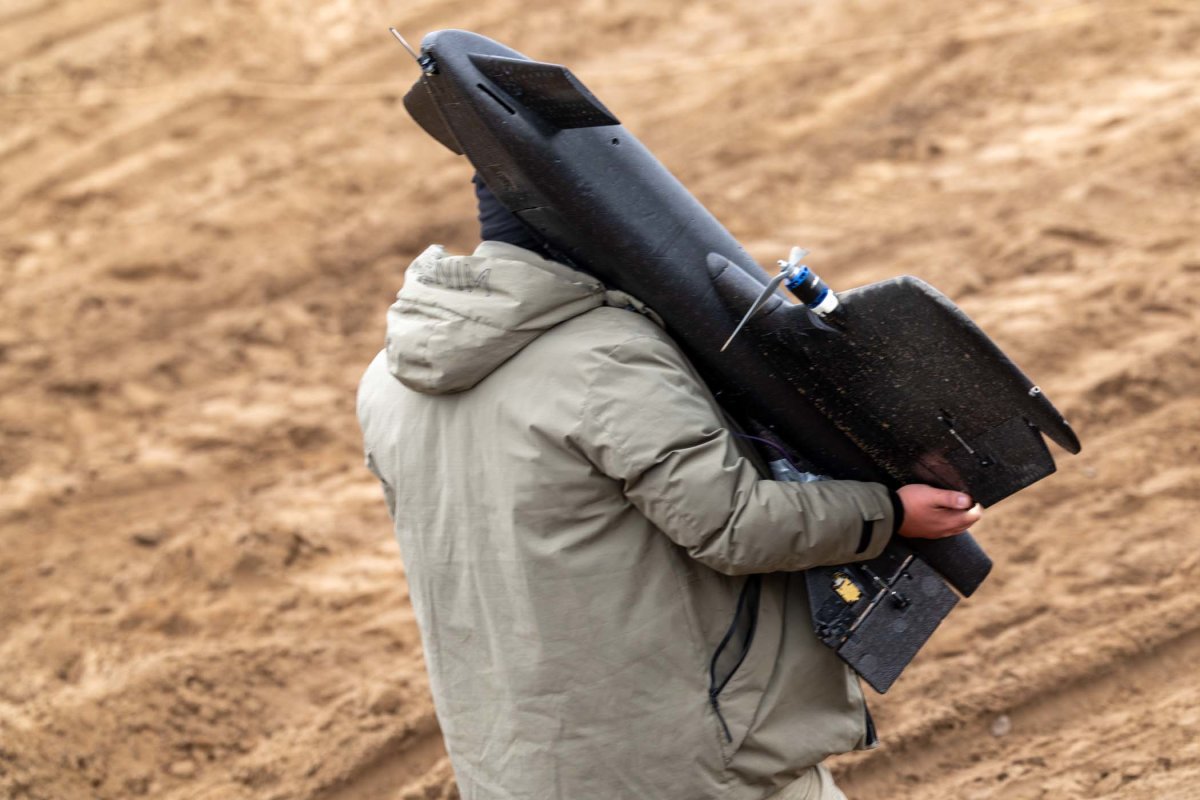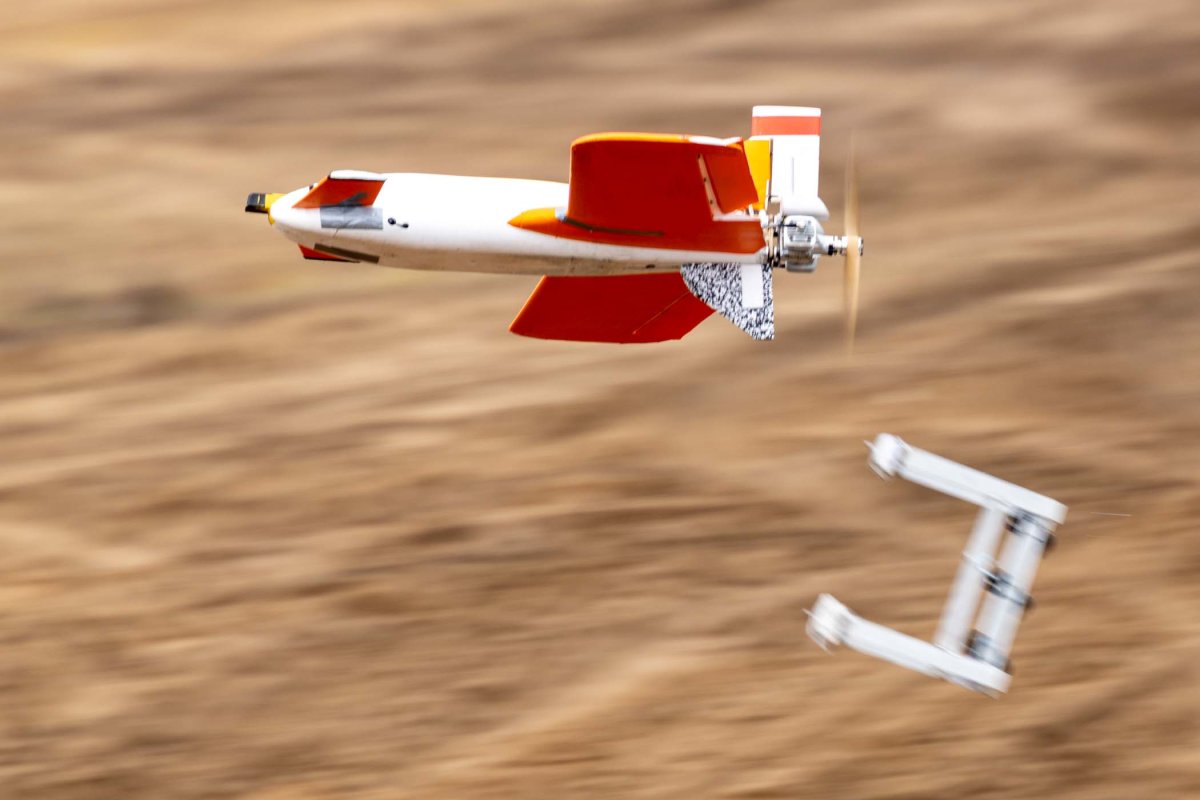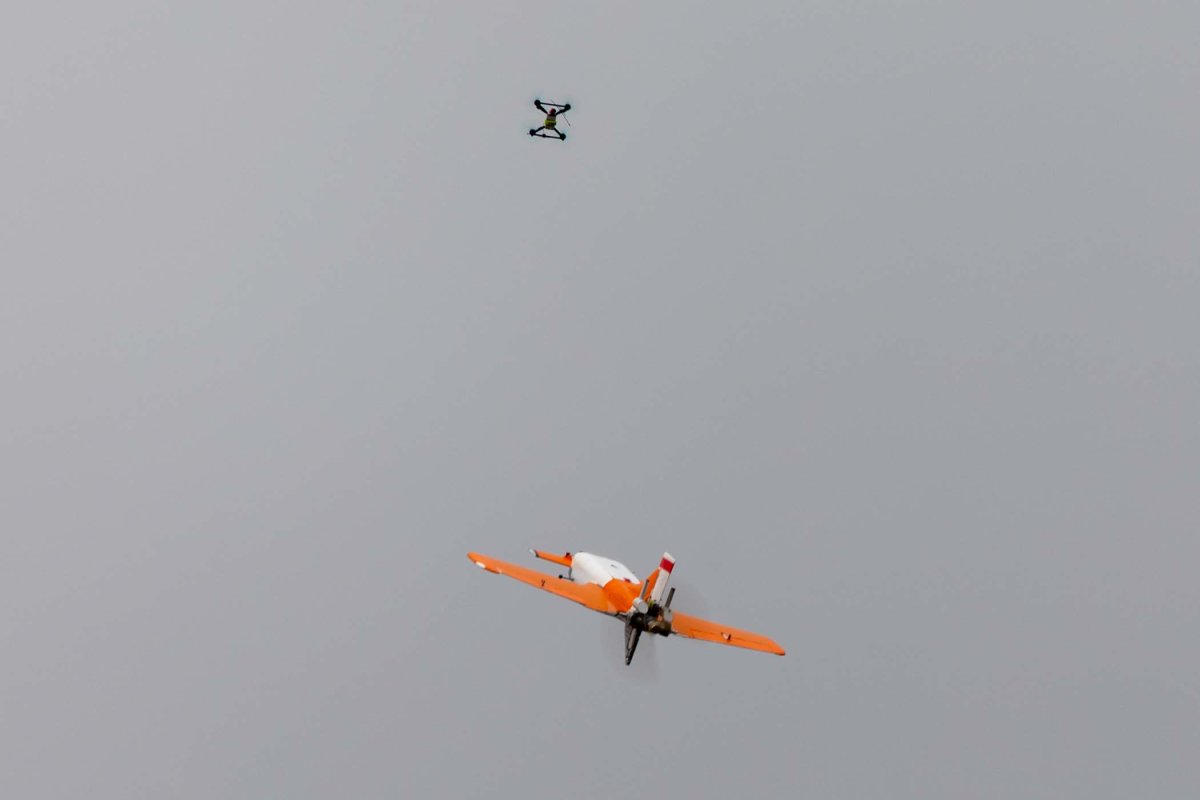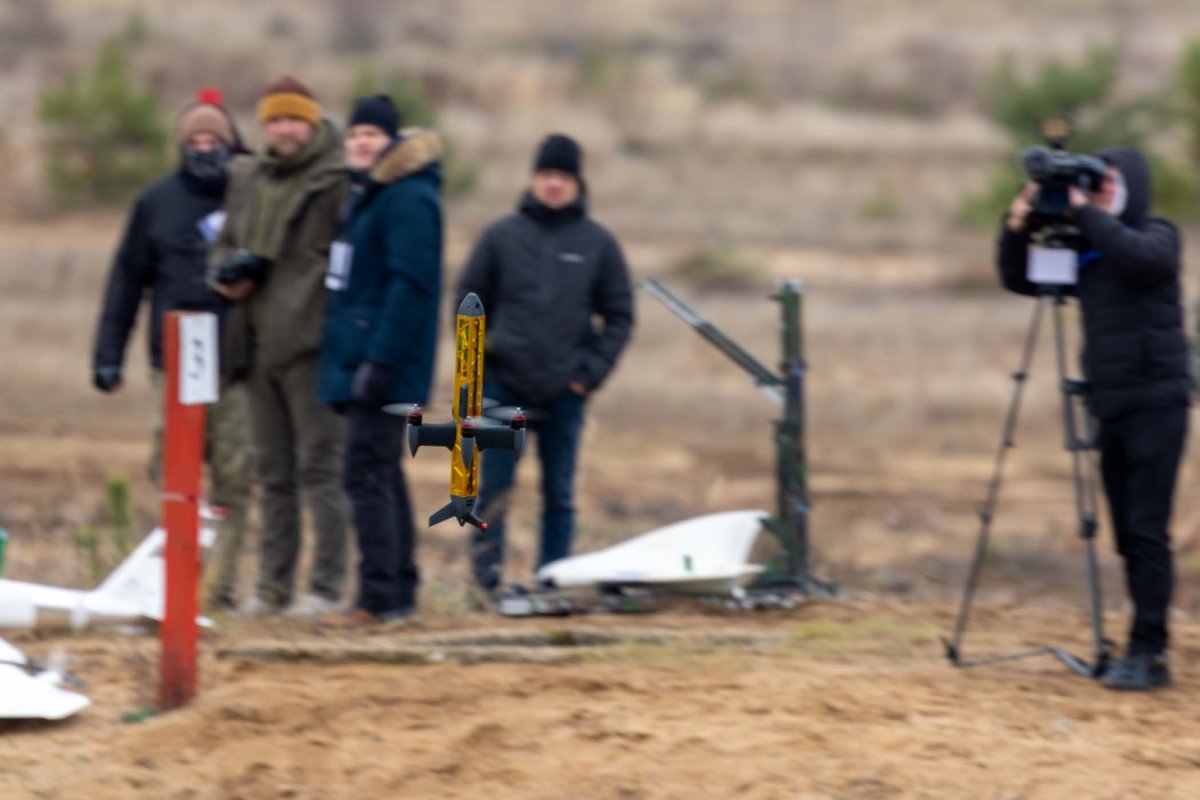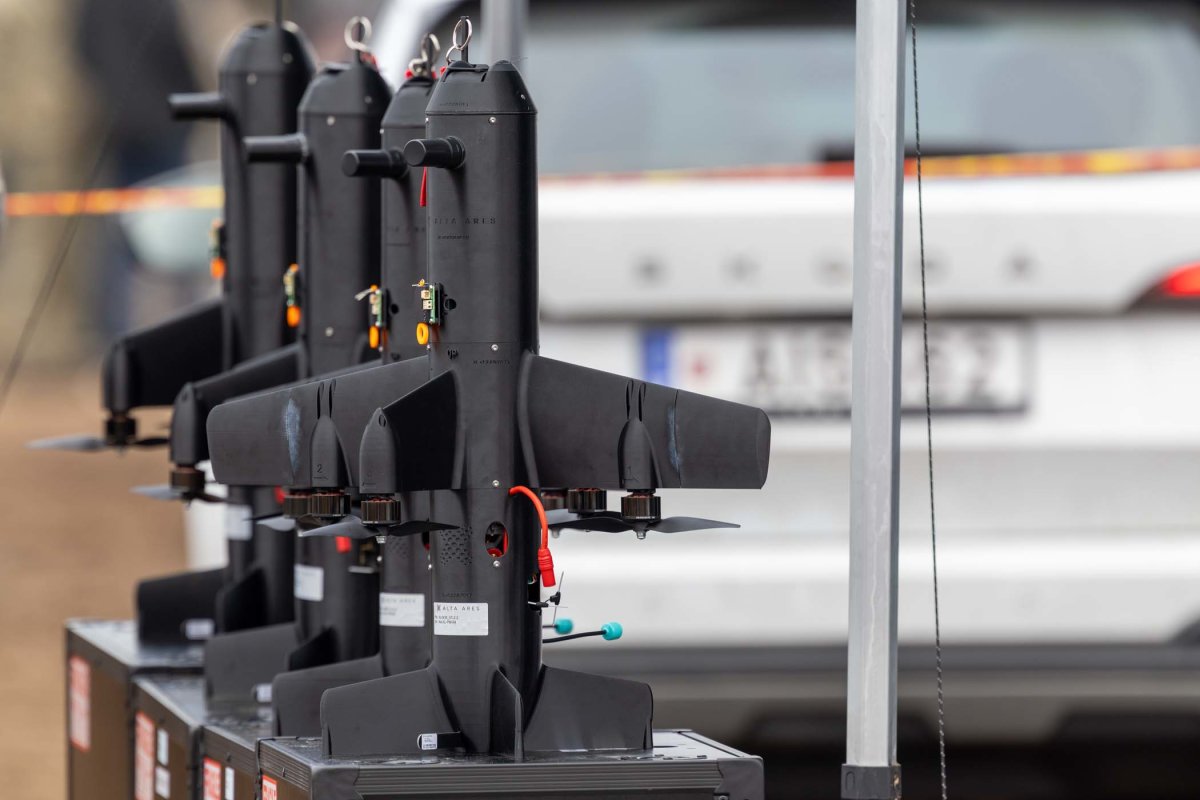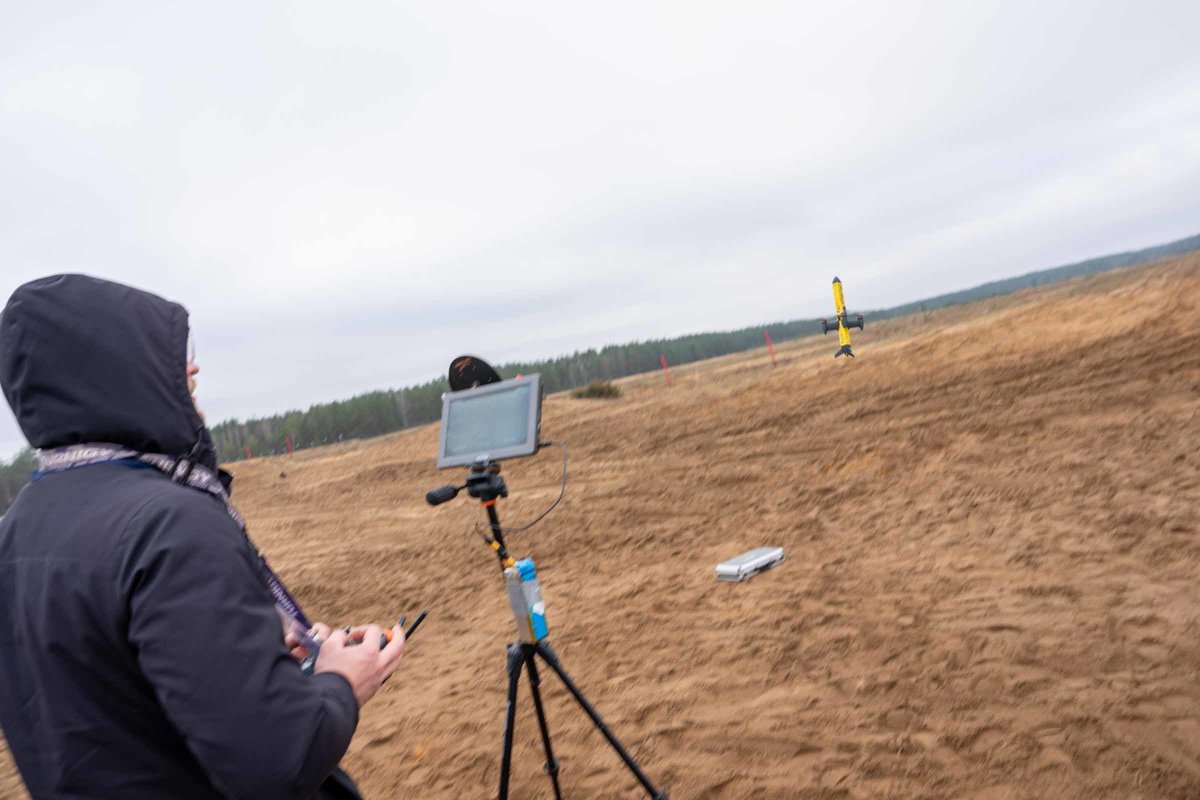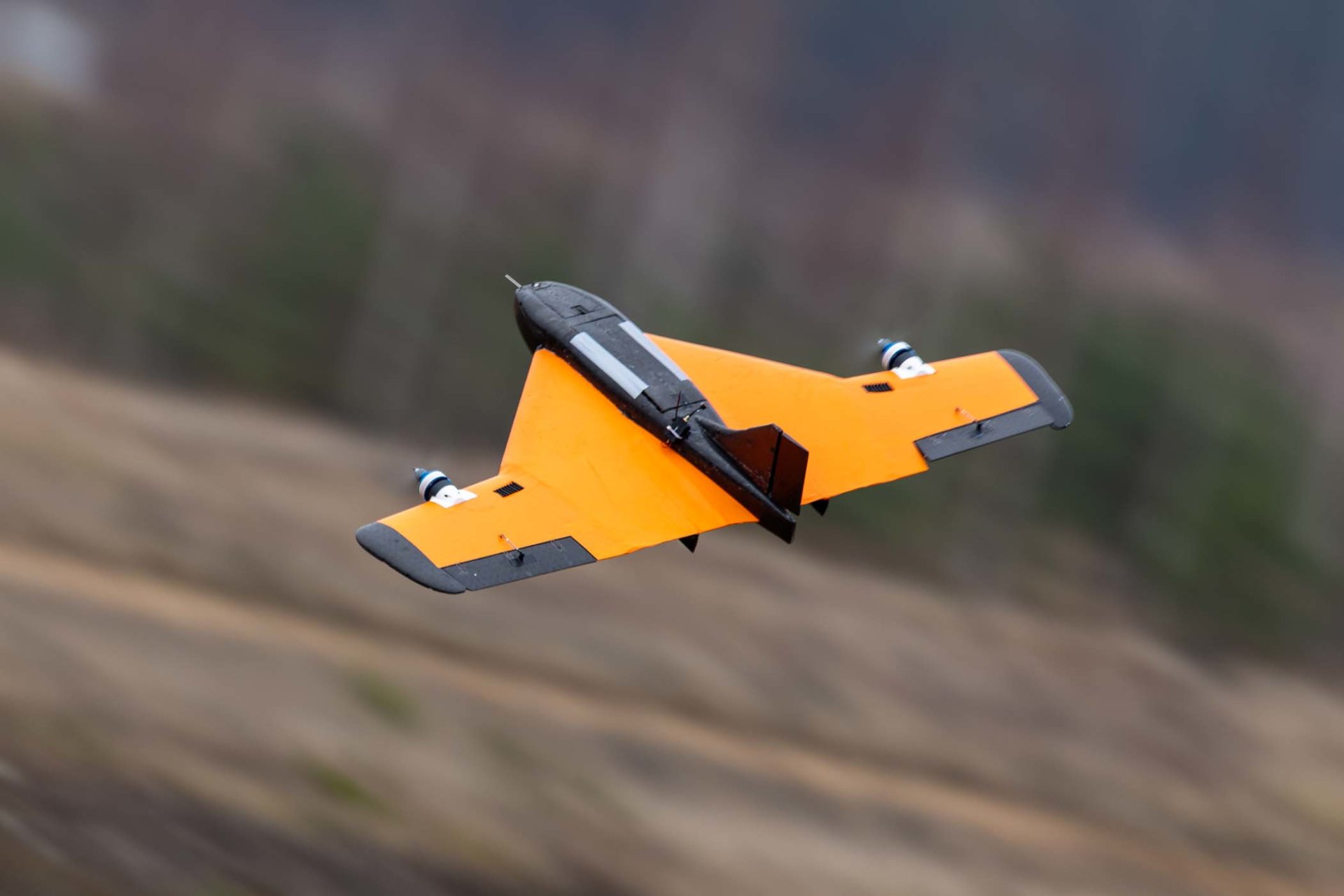
On November 10–13, the multinational experiment Exercise Vanguard 2026/II, held at the General Silvestras Žukauskas Training Area, ran real-life tests of technological solutions for detecting, tracking, and neutralising Unmanned Aerial Vehicles. The Exercise was attended by companies from Lithuania, the Czech Republic, France, Singapore, and Türkiye, whose proposed solutions were assessed by experts of the Lithuanian Armed Forces.
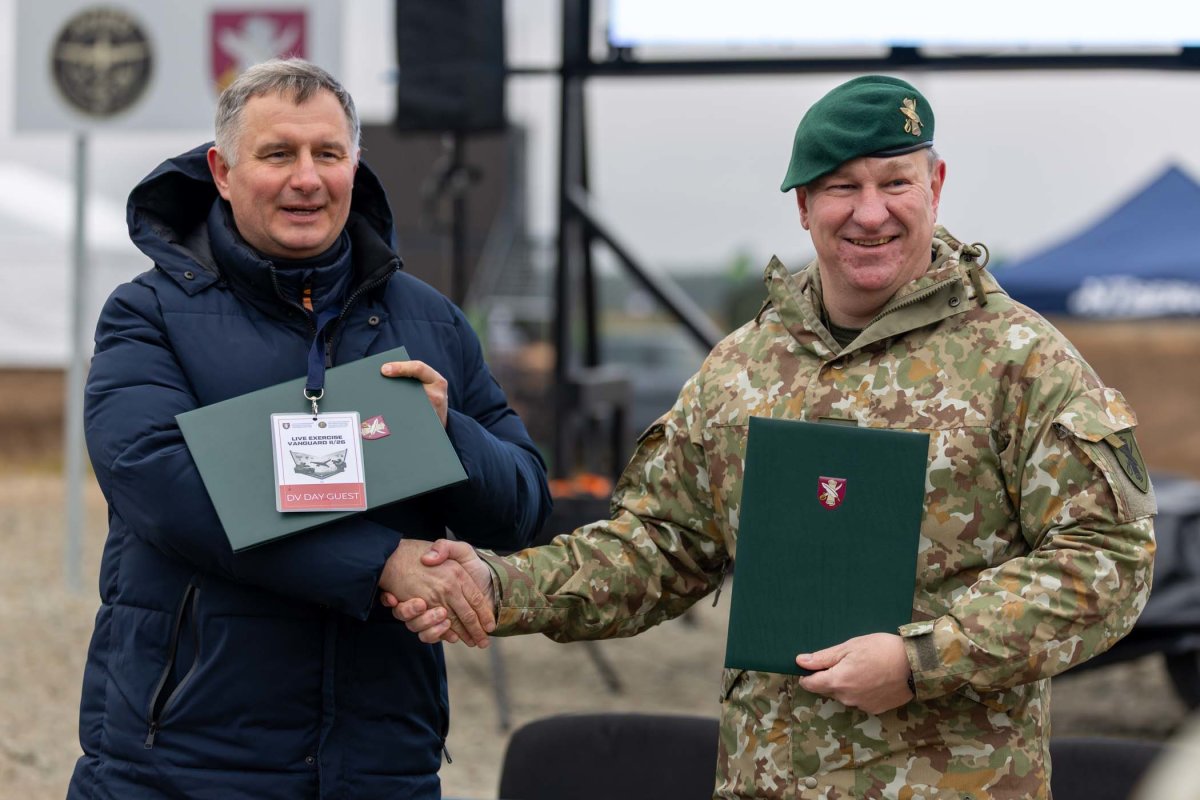
“Russian aggression against Ukraine continues. The breach into Lithuanian airspace this Tuesday has demonstrated once again that even if the front lines are a thousand kilometres away, our society is exposed to the direct consequences of war too. What it means for Lithuania is that small air defence solutions are required right now. The times when we could wait for two or three years are gone. Speed alone, however, is not enough. We understand well that solutions are not selected on the basis of a description. We decide on account of their fitness in a range of conditions. Exercise Vanguard 2026/II is designed to help decide exactly that,” said Vice Minister of National Defence Bronius Bieliauskas.
The multinational exercise served as a platform for various Lithuanian and foreign defence industry companies—including Bewi, Altcad, Teltonika, Luna Robotics, Alta Ares, Dronetag, Smart Defence, and ST Engineering/RSI Europe, among others—to present their products. Their systems were put through practical tests in order to determine their capacity for detection and neutralisation of different types of air targets.
“The experience of modern warfare in Ukraine shows clearly that the tempo of technological advance dictates the necessity for the Armed Forces to adapt quickly, experiment, and introduce new solutions. Exercise Vanguard 2026/II is a critical step in this process, required to assess not just the capacity of new small air defence technologies in real-life conditions, but also—more importantly—their practical value for the Lithuanian Armed Forces in terms of usefulness in combat readiness training, integration with routine tactics, techniques and procedures, and prospects of further development and acquisition. The Exercise also directly advances the development of the Autonomous Long-range UAV Unit (Lith. ANBO), a Lithuanian Armed Forces project for autonomous and unmanned system development, as it strengthens collaboration among the Armed Forces, academia, and the defence industry, and facilitates the integration of prospective technology for the Armed Forces’ needs. Our objective is not just about testing technological innovation products; it is about building a clear track towards a military capability effective in practice,” said Director of the Warfare Institute of the Training and Doctrine Command Col Andriejus Grachauskas.
The data and expert opinions collected during the Exercise will help determine the leaders in prospective technological solutions and inform decisions regarding their further development, additional tests, integration in the combat readiness programme, or potential acquisition of pilot batches.
Organised by the Training and Doctrine Command of the Lithuanian Armed Forces, this was the second exercise in the series this year. The Training and Doctrine Command oversees the introduction of innovation in the Lithuanian Armed Forces and cooperation with Lithuanian defence and security industry companies according to the “single window” principle. The body advises innovation developers, selects the most prospective solutions, and arranges tests in Lithuanian Armed Forces infrastructure. That way, heads of the bodies responsible for planning and acquisition are enabled to assess and pick the most efficient solutions against air threats.
Photo credits: Lithuanian Armed Forces